It’s easy to forget to enjoy the peace and quiet of a book when everything is so hectic online.
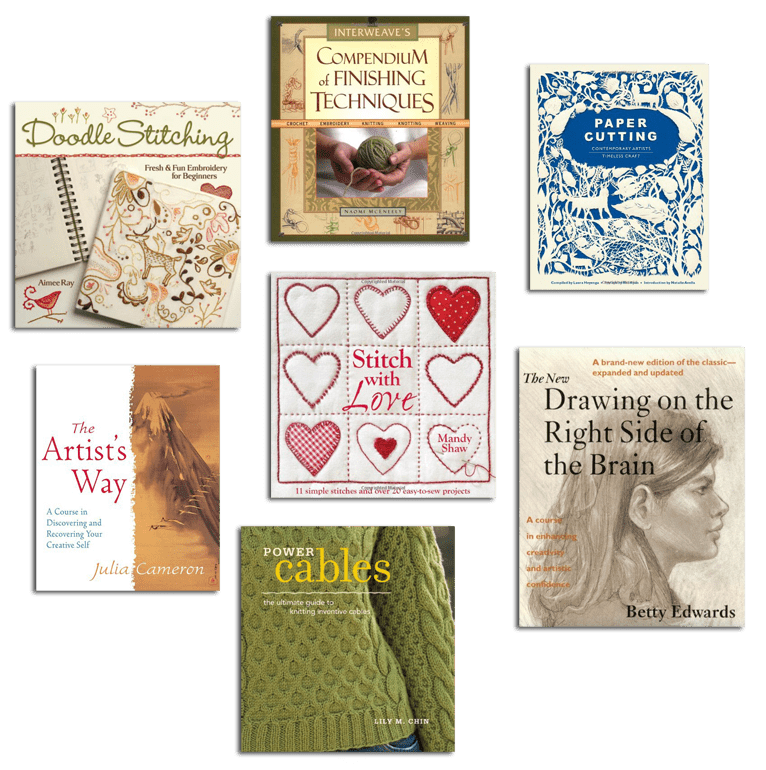
But sitting down with a good craft book and taking the time to leisurely admire its projects and make them is something I love. It’s taking a step back from the hectic do-everything-now overwhelm of projects on the web. [highlight bg=”#99bcff” color=”#ffffff”]In a way it’s a quick crafting escape.[/highlight]
I’ve read, owned, and borrowed too many craft books to count, but some of them have reached me more than most. Sometimes the best thing a craft book can do is give you permission to explore your own ideas, after giving you the tools to do it. That sort of inspiration lasts longer than just a tutorial or two. 
When he was 14, Zach Sobiech was diagnosed with osteosarcoma — bone cancer.
You might be familiar with his name because Zach turned to music. He wrote ‘Clouds’ in response to his illness and it went viral on Youtube. Music was his way to say goodbye and leave something behind.
Zach passed away on May 20th. He had just turned 18.
But his music is still there, left for his family and friends (and us) to listen to.
In my interview with Sue Bulmer I talked about the creative rut that helped inspire Crafting Fingers. I looked back on 2012 and realised I hadn’t created anything. What did I have to show for an entire year of life other than the dead-end daily routines that I had been going through?
There’s magic in remembering someone by what they’ve created.
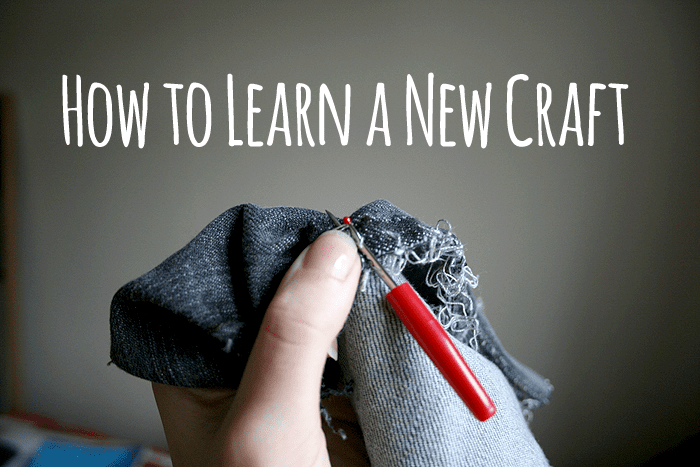
I’m five crafts into the year. So far I’ve tackled crochet, embroidery, calligraphy, stamp making, and this month fused glass. Tackling new crafts one after the other has helped me fine-tune my process of learning the techniques and putting them to use.
Is it cheesy to say I’m getting good at being a beginner?
[highlight bg=”#2883e2″ color=”#ffffff”]My Process[/highlight]
The process for me each month is to first study the craft. I want to understand the craft, not just follow one tutorial. The origins, development, and professionals using the craft all matter to me.
When I worked with Carys Rodwell to learn about fused glass, the process was a bit different. Crafting with a mentor meant I didn’t have to study as much beforehand. I knew a couple basics, and then she guided me through the rest as we went along. It was very hands on and I loved it!
But you don’t have to study the history of a craft or admire the work of professionals in order to learn! Whether you’re jumping in alone or have a workshop lined up to help you along, here’s a bit of advice to help you learn a new craft:
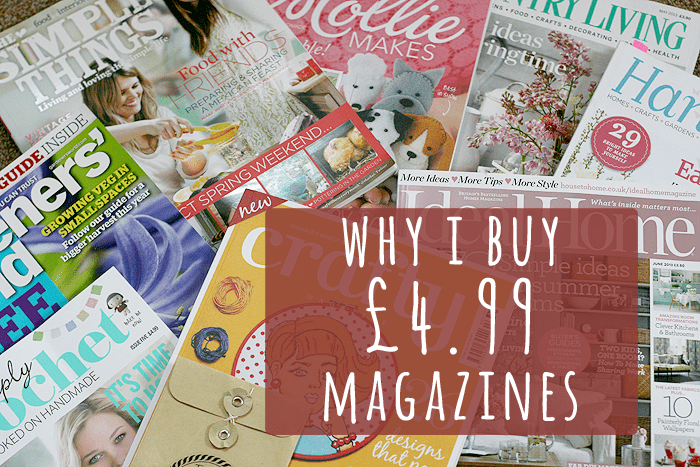
I was visiting a crafts sale when I overheard a woman selling her goods talk about craft mags.
‘Oh, they’re so expensive,’ she said. ‘I’ve stopped buying them!’
It was over a month ago now, but that conversation is still stuck with me. I’ve even asked other crafters what they think of the price of craft mags, and it seems like most of us find £4.99 too expensive.
But is it really?
On Saturday I went to a rural craft event in Brecon.
It was a rainy, wind-blowing weekend but rural crafters are hardy folk!
The craft event was organised by The Big Skill. As a social enterprise its purpose is to keep rural skills alive. Last weekend the focus was on crafters and makers demonstrating their skills. In an industry where many crafts are being replaced by machines, it’s wonderful to see people use their hands!
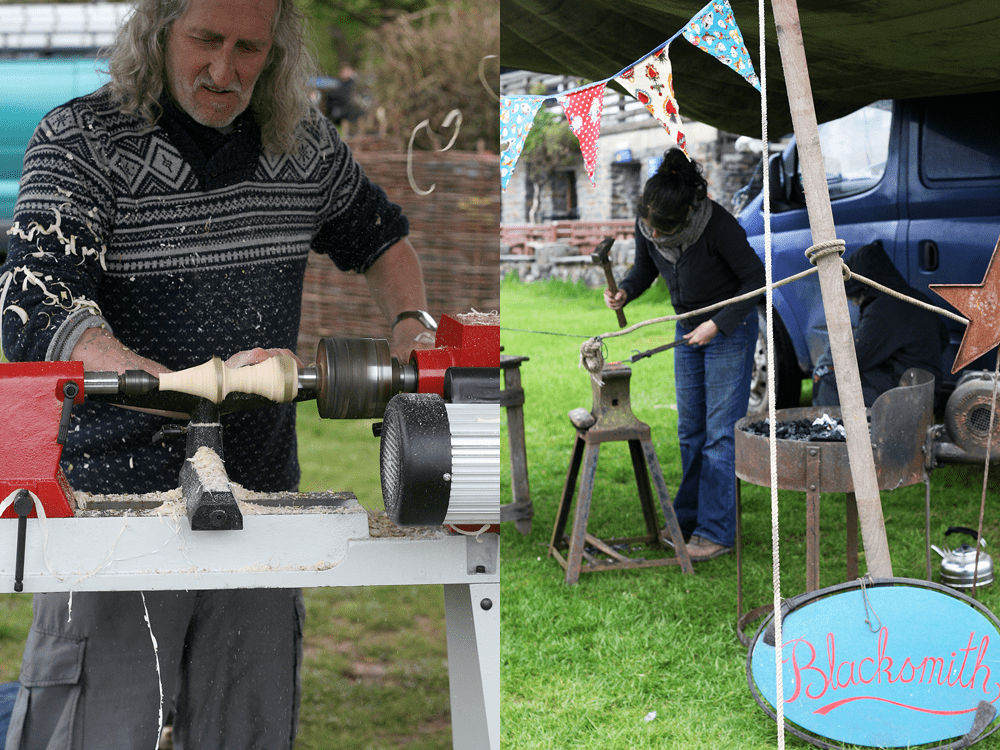
I love the idea of keeping rural crafts alive, so I volunteered my skills as photographer. It was my first proper stint at event photography, and it was a lot of fun once I got over my nerves! Carrying my camera gave me the perfect excuse to chat to everyone about their work.
As I’ve hurdled through learning one new craft a month, I’ve seen a lot of mixed reactions from professional crafters about someone learning their craft. Some of them are excited, and recommend workshops. Some have even volunteered their help.
But most surprisingly, some crafters have seen it as a threat. Someone else learning the skills they use to pay their bills means more competition.
Technically, yes. But there’s more to it than that.